Workload
Define creation, engineering or visualization applications.
Translate professional workloads into a reviewable platform with suitable graphics, expansion, power, thermal and interface requirements.
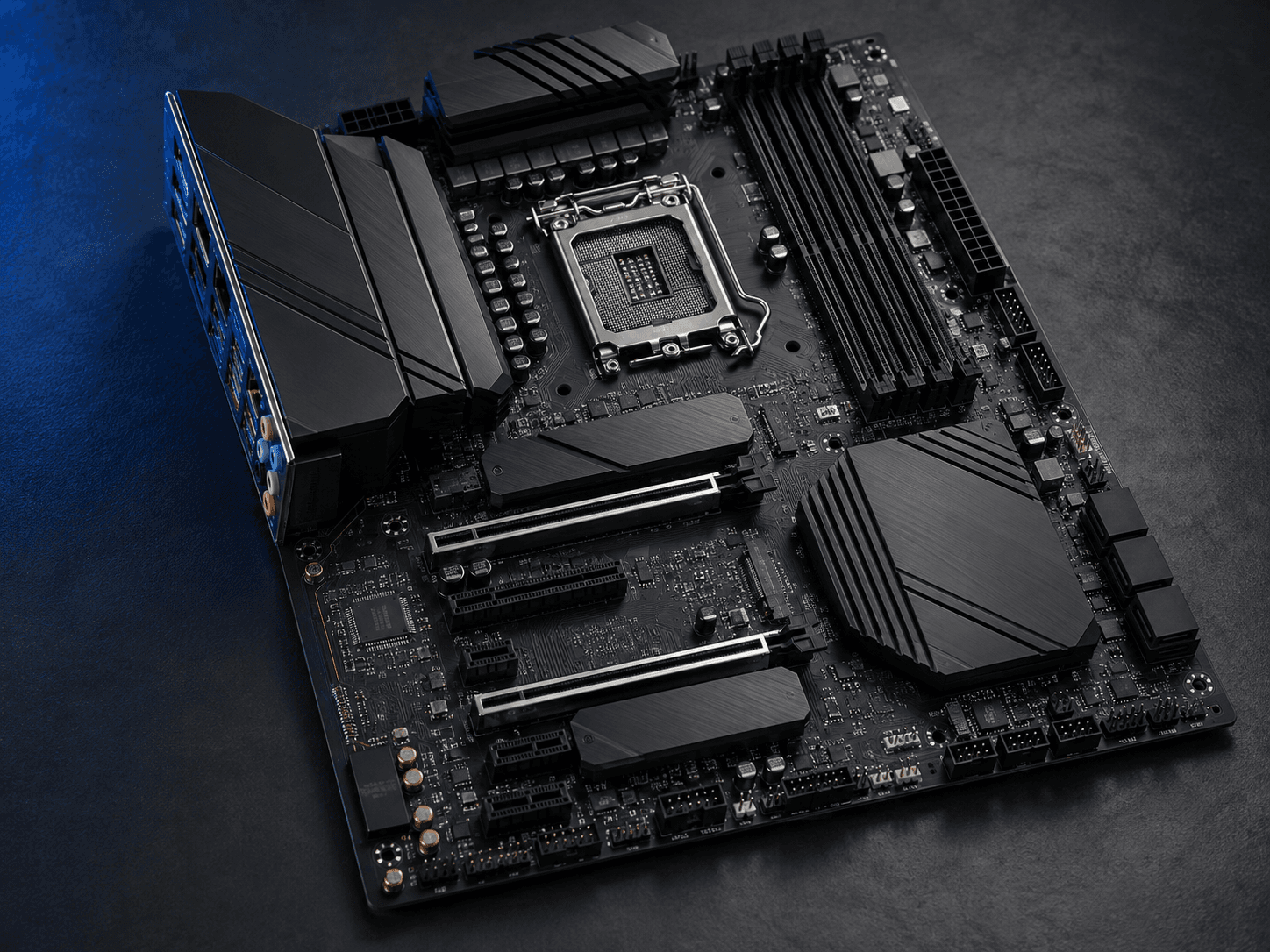
Define creation, engineering or visualization applications.
Map processor, memory, storage and expansion requirements.
Align display, acceleration and physical card direction.
Plan output, connectors and sustained operating margin.
Review airflow, cooler and acoustic priorities.
Document the approved sample and required project checks.
Workstation selection should begin with applications, data flow, expansion, displays and operating conditions. The most appropriate component direction depends on the complete platform rather than a single headline specification.
| Workload basis | Creation, engineering, visualization, multi-display or project-specific applications. |
|---|---|
| Compute platform | Processor family, motherboard, memory capacity direction and storage interfaces. |
| Graphics and display | Acceleration direction, card fit, output types and monitor arrangement. |
| Expansion | PCIe layout, storage, network, capture or other peripheral requirements. |
| Power and thermal | System load, PSU connections, cooler direction, airflow and acoustic target. |
| Approval control | Sample configuration, required checks, disclosed changes, labels and packing references. |
Connect compute, graphics, expansion, power and cooling choices to the actual professional workload and deployment environment.
Project checks can reference boot behavior, interfaces, visible condition, component identity, installation fit and packaging. Application performance and software certification should be verified by the buyer using the intended workload, drivers and final system environment.
Explore factory capabilities
Align the market, application, component scope, quantity, destination and commercial priorities.
Prepare reviewable product and configuration directions around the approved requirement.
Check fit, function, installation preparation and presentation in the intended use context.
Record relevant model, appearance, labeling, packing and inspection checkpoints.
Confirm quantities, carton information, documents and agreed release requirements.
Yes. Share the workload, software environment, displays, expansion devices, quantities and deployment constraints for a structured review.
Identify the applications, acceleration direction, display count and outputs, physical card constraints, power connections and driver environment.
Approved references can support repeat communication, subject to component availability and review of any disclosed platform change.
The buyer should validate the final system with the intended software, driver, data and deployment environment. Hekut can support component information and sample preparation.
Yes. List the slot, interface and physical requirements so motherboard layout, graphics placement, power and cooling interactions can be reviewed.
Define the product identity, functional checkpoints, sample plan, visible standard, labels, accessories and packing evidence required by the project.