System load
Start from the CPU, GPU and peripheral combination.
Plan desktop PSU programs around system demand, output direction, connectors, protections, cable routing, enclosure fit and destination-market requirements.
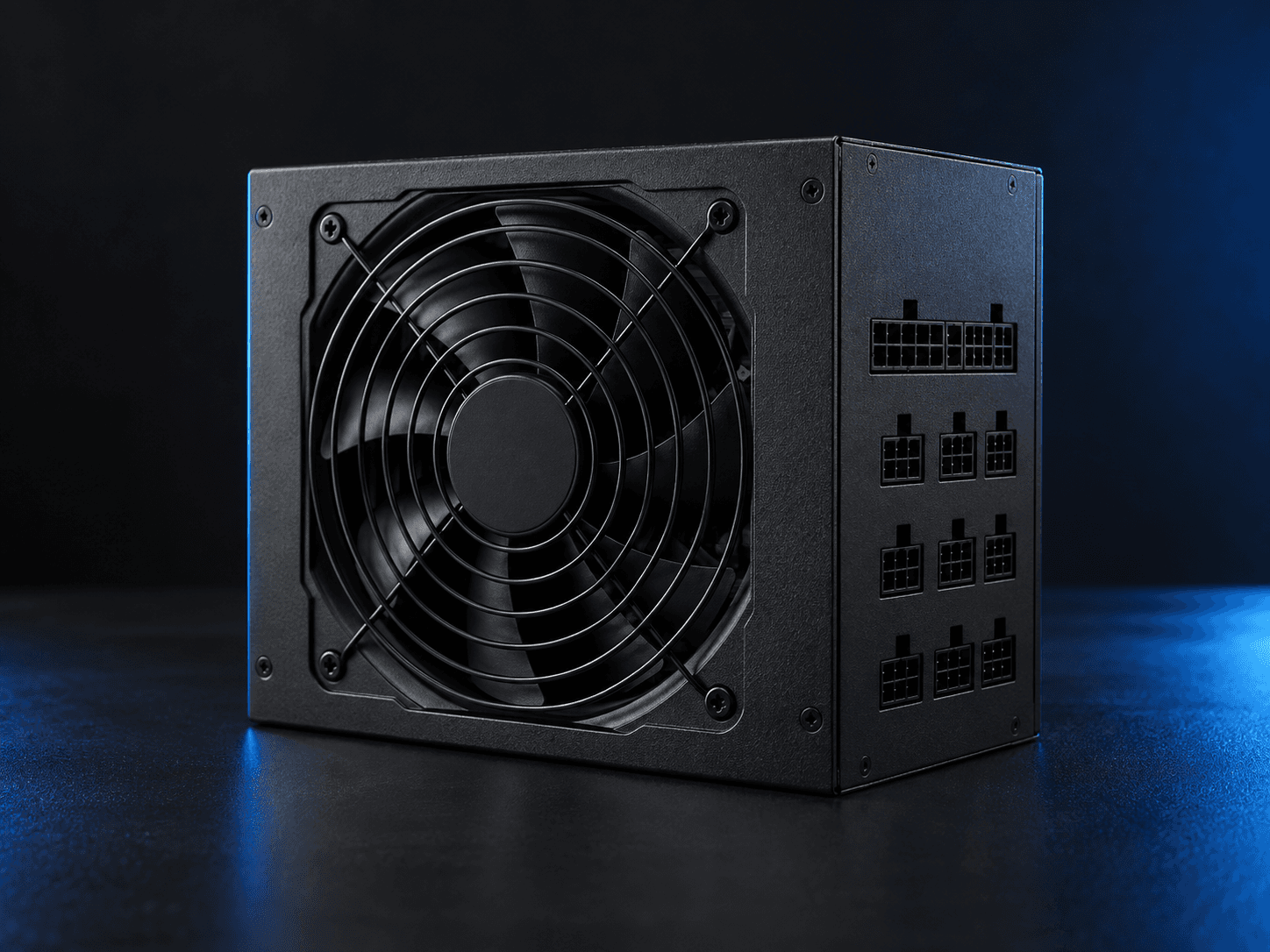
Start from the CPU, GPU and peripheral combination.
Choose an appropriate rated range and operating margin.
Map motherboard, graphics, storage and peripheral needs.
Document the required protection and acceptance direction.
Review modularity, lengths, routing and bend space.
Align labels, packaging and documentation.
A reliable sourcing brief also covers load profile, connectors, chassis format, cable routing, protection expectations, acoustic direction, labeling and the market where the product will be supplied.
| System basis | CPU, GPU, storage, fans, accessories and expansion plan |
|---|---|
| Electrical direction | Rated output, input range and project-specific acceptance criteria |
| Connectors | Mainboard, processor, graphics, storage and peripheral connections |
| Mechanical | PSU form factor, cable exit, fan orientation and chassis space |
| Presentation | Labels, cable identification, accessories and packaging |
| Inspection | Identity, appearance, cable set, agreed functional sampling and packing |
Electrical and functional checks depend on the agreed PSU specification and applicable project requirements. Visible condition, cable set, labeling, accessories and packaging can be included in shipment inspection.
Explore factory capabilities
Align the application, specification, quantity, destination and commercial priorities.
Prepare a direction around compatibility, available options and the requested presentation.
Review the product in the intended system, installation workflow and market context.
Use the approved requirement to define relevant product, labeling and packing checkpoints.
Confirm quantity, model reference, packaging, carton information and required documents.
Base the decision on the complete component load, transient behavior, connector needs, operating margin and the finished system environment.
Eligible cable and connector options depend on the selected platform and order scope. Provide the chassis and routing requirement for review.
Brand labels and packaging options can be discussed for suitable product and quantity plans.
Define model identity, appearance, cable set, labels, accessories, packing and any required functional or third-party checks.
Yes. A combined review helps align output, connectors, cable clearance, fan orientation and assembly space.