Performance tier
Define target games, resolution and buyer expectations.
Plan performance tiers around graphics, platform, power, airflow, component clearance and the presentation expected by your target gaming market.
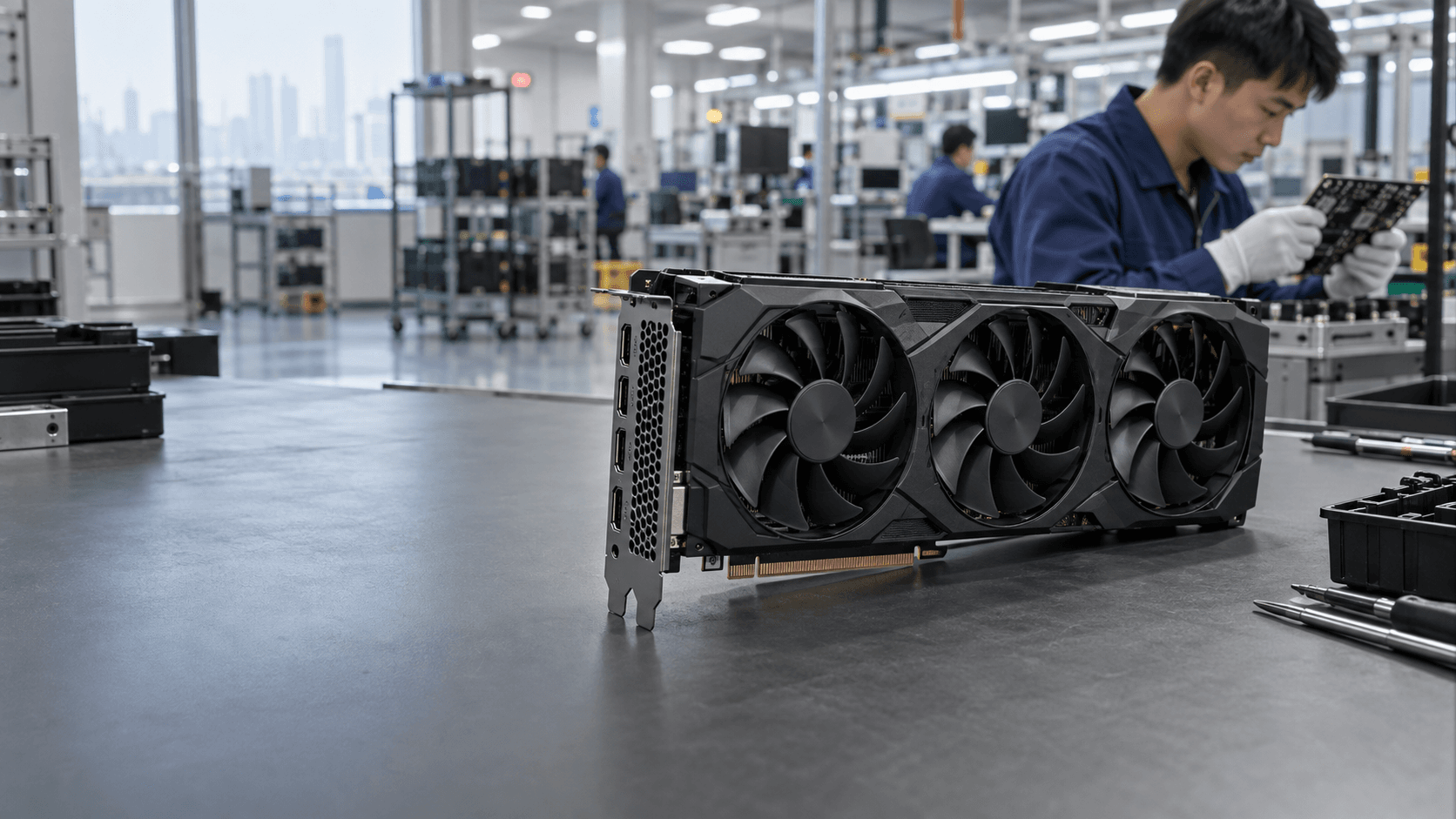
Define target games, resolution and buyer expectations.
Align graphics direction with workload and system budget.
Review PSU output, connectors and operating margin.
Coordinate chassis airflow, cooler and fan positions.
Check card, cable, radiator and cooler clearances.
Plan eligible branding, packaging and accessories.
A gaming-system RFQ should explain the intended performance tier and complete component environment. Buying a high-tier graphics card without power, airflow and clearance planning can create avoidable assembly or validation work.
| Application target | Gaming resolution, workload direction, display outputs and expected market segment. |
|---|---|
| Platform | Processor family, motherboard form factor, memory and storage direction. |
| Graphics | GPU platform, card dimensions, slot width, connector position and output needs. |
| Power | System load direction, PSU output, connector layout and cable bend space. |
| Cooling | CPU cooler, intake and exhaust fans, radiator positions and acoustic priorities. |
| Validation | Sample installation, boot, interface, thermal-direction, appearance and packing review. |
Treat the gaming system as one thermal and electrical architecture, while retaining a clear approval reference for every component category.
Sample preparation can cover component fit, interfaces, power connections, airflow direction, visible condition and agreed functional checks. Performance results depend on the complete system and test method, so acceptance criteria should describe the configuration and procedure rather than rely on broad claims.
Explore factory capabilities
Align the market, application, component scope, quantity, destination and commercial priorities.
Prepare reviewable product and configuration directions around the approved requirement.
Check fit, function, installation preparation and presentation in the intended use context.
Record relevant model, appearance, labeling, packing and inspection checkpoints.
Confirm quantities, carton information, documents and agreed release requirements.
Yes. Share the intended configuration, performance tier and quantities so the GPU, motherboard, PSU, chassis and cooling directions can be reviewed together.
Confirm the motherboard interface, card length and thickness, chassis space, power connectors, cable bend clearance, airflow route and display outputs.
Eligible labels, color or presentation directions, documentation and packaging options can be reviewed against the selected platforms and order plan.
State the CPU and GPU direction, enclosure layout, fan or radiator positions, acoustic priorities and the intended test configuration.
Yes. Entry, mainstream and higher-performance directions can be reviewed, with a separate approved component reference for each tier.
Include the target applications, system platform, component constraints, quantities, destination, branding needs and requested schedule.